01. Free Public Education
Public universities charge €150-350 per semester (campus services only). No tuition fee — a tenth of foundation universities in many countries.
Europe's largest economy, free public universities, 18-month job seeker visa, and a multicultural international community. Numbers-proven advantages of being a student in Germany.
464
Universities
14.527
Total Programs
6.675
English Programs
130
Student Cities
16
Federal States
166
Scholarships
Not marketing language — backed by numbers, laws, and real community experience.
Public universities charge €150-350 per semester (campus services only). No tuition fee — a tenth of foundation universities in many countries.
After graduation, finding a job in Germany unlocks the right to work in all 27 EU countries. One of the strongest cards a non-EU passport can earn.
You don't have to leave after graduation. You get 18 months (1.5 years) to stay in Germany and search for a job (Aufenthaltserlaubnis zur Arbeitsplatzsuche).
Germany produces 25% of the EU's GDP. Engineering, automotive, chemistry, pharma, finance — global leaders in every sector.
Study a master's or PhD without German. Bachelor's options are growing too. Thousands of English-taught programs in the DAAD database.
25% of Germany's population has a migration background — over 12 million international individuals. Every major city has international markets, restaurants, and cultural centers.
Insurance covers all doctor + hospital costs. Student rate is ~€125/month — thousands of euros of treatment covered annually.
Reach Paris in 4 hours, Amsterdam in 6, Rome by overnight train. Semester Ticket gives free city public transport for students.
Max Planck institutes, Fraunhofer, Helmholtz — Germany leads European research. The right choice for an academic career.
Engineers start at €60,000+/year. IT €55-70K, doctors €70-90K. Stable euro income with strong purchasing power.
In which city should you study your field? Germany's industry map is the most important input for your career plan — because internships + jobs cluster by city.

Europe's start-up capital. SoundCloud, Zalando, N26 were born here. Largest student city with 200K+ students.
Berlin guide →

Capital of Bavaria. Germany's #1 destination for engineering students. LMU + TUM duo ranks in world top 50.
München guide →
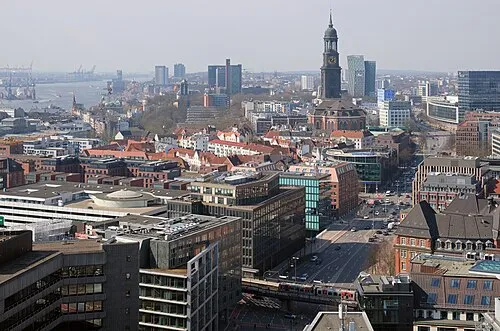
Germany's #1 port, Europe's #2. Home to Spiegel, ZEIT. Airbus plant — critical for aerospace engineering.
Hamburg guide →

Germany's financial capital. Home to the European Central Bank. Internship paradise for business/finance/economics students.
Frankfurt am Main guide →
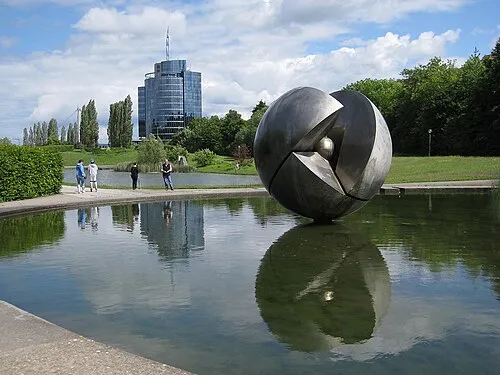
Germany's "automotive heart". Mercedes-Benz, Porsche, Bosch HQ. Uni Stuttgart is elite for engineering.
Stuttgart guide →

Germany's media capital. Home to RTL, WDR, Deutsche Welle. Carnival culture makes it Germany's "warmest" city.
Köln guide →

Hub for fashion + advertising agencies. Vodafone Germany HQ, Henkel, Metro AG. Capital of NRW state.
Düsseldorf guide →
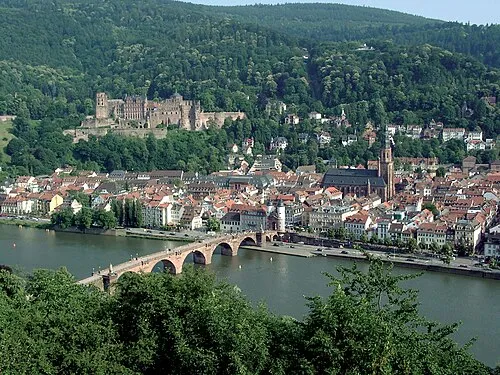
Germany's oldest university (1386). Max Planck + EMBL + DKFZ → world hub for medical/biotech research.
Heidelberg guide →

"Silicon Saxony" — Europe's #1 microchip manufacturing region. Infineon, GlobalFoundries, Bosch chip fab. TU Dresden Cluster of Excellence.
Dresden guide →
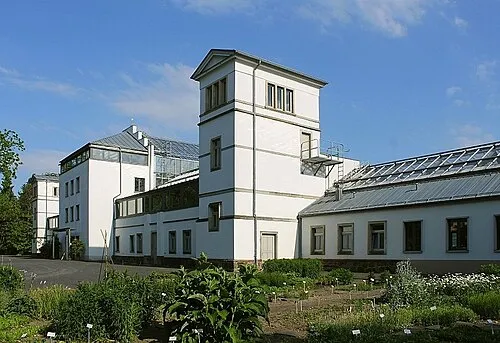
DHL's European hub. Porsche + BMW factories. City of Bach, Mendelssohn — world-class music conservatory.
Leipzig guide →
Tuition fee is FREE, only €150-350/semester semester contribution. This includes campus services and regional public transport pass.
€6,000-15,000/year tuition fee. More English-taught programs, more flexible admissions. IU, Constructor, Hertie School are well-known.
Practice-oriented colleges. Mandatory industry internships for engineering + business. Employment rate is 15-20% higher than classical universities.
| Item | EUR |
|---|---|
| Blocked account (required for visa) | €11,904 |
| Tuition (public uni) | €0 |
| Semester fee | €300-700 |
| Health insurance | €1,500 |
| Living (rent + food + transport) | €10,000-13,000 |
| Minimum total | ~€13,500 |
Blocked account is withdrawn after arrival — not a net expense.
400K+
International students (2026)
170+
Countries represented
12M+
People with migration background
Germany is Europe's #1 destination for international students — third worldwide after the US and UK. Every major city has active international student associations, cultural centers, and language courses. 95% of universities provide dedicated International Office support.
Once you've decided on Germany, your journey starts here.
8 questions to show your top 5 universities
uni-assist + English programs + size weighted list
No German? No problem — search directly.
80% of Turkish high school/university graduates apply to Germany via uni-assist (university application service). What is VPD (preliminary review documentation), who issues it, why is it rejected — a step-by-step guide with real community mistakes.
6 min read →
For Turkish students, the path to Germany should turn from a dream into a plan — with clear steps, official sources, and community-tested experience. That is why AlmanyaUni exists.
5 min read →
Are you a Turkish student dreaming of university in Germany? Choosing the right German exam is a critical step. It's natural to be confused by options like Goethe, telc, TestDaF, DSH, and questions like 'Which exam should I take?' or 'Is Goethe B1 en...
9 min read →
New blog posts, application deadlines, scholarship announcements. No spam, unsubscribe anytime.
Weekly Germany guide — 1–2 emails/week, no spam.
📬 Weekly Germany guide delivered to your inbox
No spam. Unsubscribe anytime.
Tell us about a bug, suggestion or issue
AlmanyaUni on your home screen
Install as an app — faster, offline-ready, no app store needed.
Add to Home Screen on iOS: