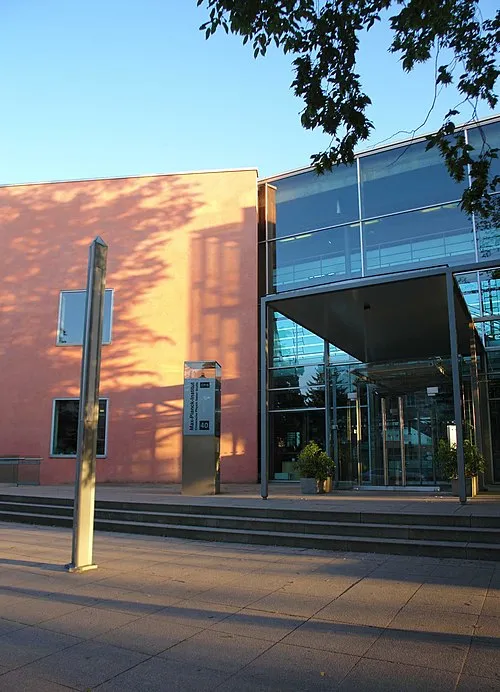
Max Planck Institute for Chemical Physics of Solids
List of Max Planck Institutes
About
The Max Planck Institute for Chemical Physics of Solids is a research institute affiliated with the Max Planck Society. Located in Dresden, Germany, the institute primarily conducts fundamental research in natural sciences, specifically in the fields of physics and chemistry.
Location
Sources
Programs & Subjects
2 active programs · 2 English · 0 NC-frei
Bachelor (1)
PhD (1)

Dresden
State: Saxony
University Education in Dresden: Why You Should Choose It
Dresden is home to TU Dresden, one of Germany's most prestigious technical universities. In our community insights, the frequently asked question, 'Is...
more →Life in Dresden: Where History Meets Modernity
Despite suffering extensive destruction during World War II, Dresden has regained its former glory through meticulous restoration, successfully preser...
more →Student Life and Culture
With its young population and numerous universities, Dresden boasts a vibrant student culture. International student communities in the city help newc...
more →Dresden more about
Cost of living, housing, transport, student life and all universities.
Student Experiences
Share yours too →No experience shared yet.
Be the first to share an experience about Max Planck Institute for Chemical Physics of Solids and help other students.
Share your experienceDresden other universities in this city
All →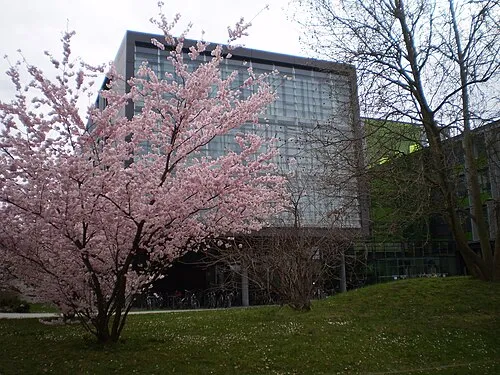 Public
Dresden University of Technology
27,812 students
 Public
Hochschule für Technik und Wirtschaft Dresden – University of Applied Sciences
4,640 students

DIU - Dresden International University GmbH
911 students
 HAW
HAW
Evangelische Hochschule Dresden
828 students
 Public
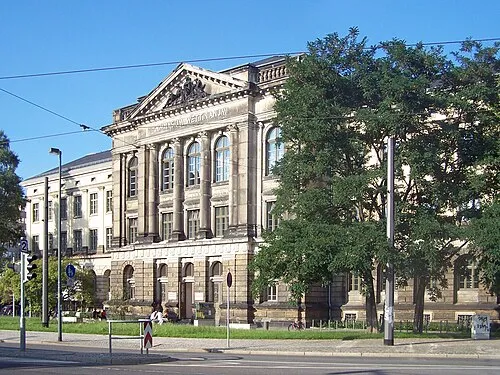
Hochschule für Musik Carl Maria von Weber Dresden
705 students
 Public
Hochschule für Bildende Künste Dresden
594 students
💬 Student Reviews
Verified reviews from current students, alumni and applicants.
No reviews yet. Be the first!
Verified students and alumni can share their experience below.
✍️ Write a review about Max Planck Institute for Chemical Physics of Solids (List of Max Planck Institutes) Open form ↓
How do I apply to Max Planck Institute for Chemical Physics of Solids (List of Max Planck Institutes) as an international student?
Non-EU applicants apply via uni-assist (document verification + APS certificate for some countries). EU applicants apply directly. You need a recognised degree, language certificate, motivation letter and CV. After admission, open a Sperrkonto and book a visa appointment at your local German embassy.
- Pick a programme — Browse the programme list above — filter by language, degree, field.
- Verify your eligibility — Check Anabin/APS for your country and degree-equivalence rules.
- Get language certificate — TestDaF/DSH for German, IELTS/TOEFL for English-taught programmes.
- Apply via uni-assist or directly — Submit by 15 July (winter) / 15 January (summer) deadlines.
- After admission: Sperrkonto + visa — Open the blocked account, get health insurance, attend embassy interview.
Frequently Asked Questions
Quick answers about Max Planck Institute for Chemical Physics of Solids (List of Max Planck Institutes)
What kind of institution is Max Planck Institute for Chemical Physics of Solids (List of Max Planck Institutes)? ▼
Max Planck Institute for Chemical Physics of Solids (List of Max Planck Institutes) is a public higher-education institution located in Dresden, Germany. It is recognised by the German Hochschulkompass and BMBF.
Are there tuition fees at Max Planck Institute for Chemical Physics of Solids (List of Max Planck Institutes)? ▼
Most public German universities — including Max Planck Institute for Chemical Physics of Solids (List of Max Planck Institutes) — charge no tuition fees for international Bachelor/Master students. You only pay a semester contribution (~150–350 EUR) which usually includes a public-transport ticket.
How can I apply to Max Planck Institute for Chemical Physics of Solids (List of Max Planck Institutes) as an international student? ▼
Non-EU applicants typically apply via uni-assist (document verification + APS certificate for some countries). EU applicants apply directly. Documents needed: secondary school diploma, transcripts, language certificate, CV, motivation letter.
What language requirements does Max Planck Institute for Chemical Physics of Solids (List of Max Planck Institutes) have? ▼
German-taught programmes require TestDaF 4×4, DSH-2, or telc C1 Hochschule. English-taught programmes usually accept IELTS 6.5 / TOEFL 90. Some Master programmes accept both languages.
What is student life like in Dresden? ▼
Living in Dresden typically costs 800–1200 EUR/month (rent, food, transport, insurance). Most cities have an active Studentenwerk that offers affordable dormitories, canteens (Mensa), and counselling.